CRM-Pflege
Jeder Anruf, jeder vereinbarte nächste Schritt und jede Folgeaufgabe wird in Ihr CRM zurückgeschrieben — die Daten bleiben vollständig, ohne…
Sie setzen einen Standard dafür, wie Gespräche laufen sollen. Ob das Team diesen Standard hält, Gespräch für Gespräch, erfahren Sie meist zu spät: wenn ein Kunde sich beschwert oder eine Kennzahl in die falsche Richtung läuft.
Selbst genug Gespräche mitzuhören, um es zu bemerken, ist nicht realistisch. Eine Führungskraft, die Gespräche manuell durchgeht, verbringt Stunden pro Woche damit und sieht trotzdem nur einen Bruchteil. Der Rest bleibt ungeprüft.
Sales Signals bewertet jedes Gespräch anhand dessen, was Ihren Standard ausmacht: ob Einwände gut behandelt werden, ob Ihr Prozess eingehalten wird, ob die Pflichtschritte eines Gesprächs vorhanden sind. Jedes davon wird zu einer Kennzahl, die Sie verfolgen können.
Sie legen für jede Kennzahl einen Zielwert fest und eine Schwelle, die zählt. Rutscht ein gleitender Durchschnitt darunter, schlägt Sales Signals Alarm. Sie starren nicht auf ein Dashboard in der Hoffnung, ein Problem zu bemerken — das System meldet sich, sobald eines auftaucht, solange es noch klein genug ist, um es zu beheben.
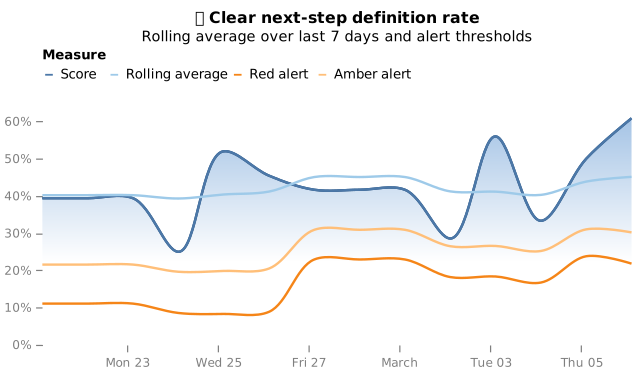
Beispiel: Die Quote klar definierter nächster Schritte misst den Anteil der Gespräche, die mit einer konkreten, terminierten nächsten Aktion enden, die mit dem Kunden vereinbart wurde. Die Schwellen für rote und gelbe Warnungen lassen sich manuell festlegen oder dynamisch bestimmen.
Die manuelle Gesprächsprüfung ist die Alternative — und sie ist teuer in der einen Ressource, die eine Führungskraft nicht zurückbekommt: Zeit. Der Rechner unten schätzt, was diese Zeit über ein Jahr wert ist.
Die Angaben sind Näherungswerte. Gehälter und Beitragssätze variieren je nach Rolle, Erfahrung und Land; passen Sie sie an Ihre Situation an.
Sales Signals erledigt diese Prüfung automatisch, bei jedem Gespräch, für einen Bruchteil dessen, was die manuelle Alternative kostet.
Sie wissen, dass das Team Ihren Standard hält — statt es nur zu hoffen. Probleme erreichen Sie als Warnungen, solange sie noch klein sind. Und die Stunden, die Sie mit Zuhören verbracht hätten, fließen zurück in die Arbeit, die nur eine Führungskraft leisten kann.
Am klarsten wird Sales Signals, wenn Sie sehen, was es aus den echten Gesprächen Ihres Teams zutage fördert. Wir richten es mit Ihrer bestehenden Telefonanlage ein; es gibt nichts zu installieren, und für Ihre Mitarbeiter ändert sich nichts.
Sie leiten ein Vertriebsteam und möchten es auf Ihren eigenen Gesprächen sehen? Demo buchen (auf Englisch)